



Check out the report here: Fueling the Future: Scaling Low Carbon Drop-in Fuels in BC | NorthX
From NorthX:
Why this report matters
Fossil fuels still account for nearly 90% of BC’s emissions. While electrification is essential, it cannot fully address sectors requiring high energy density and long-haul performance.
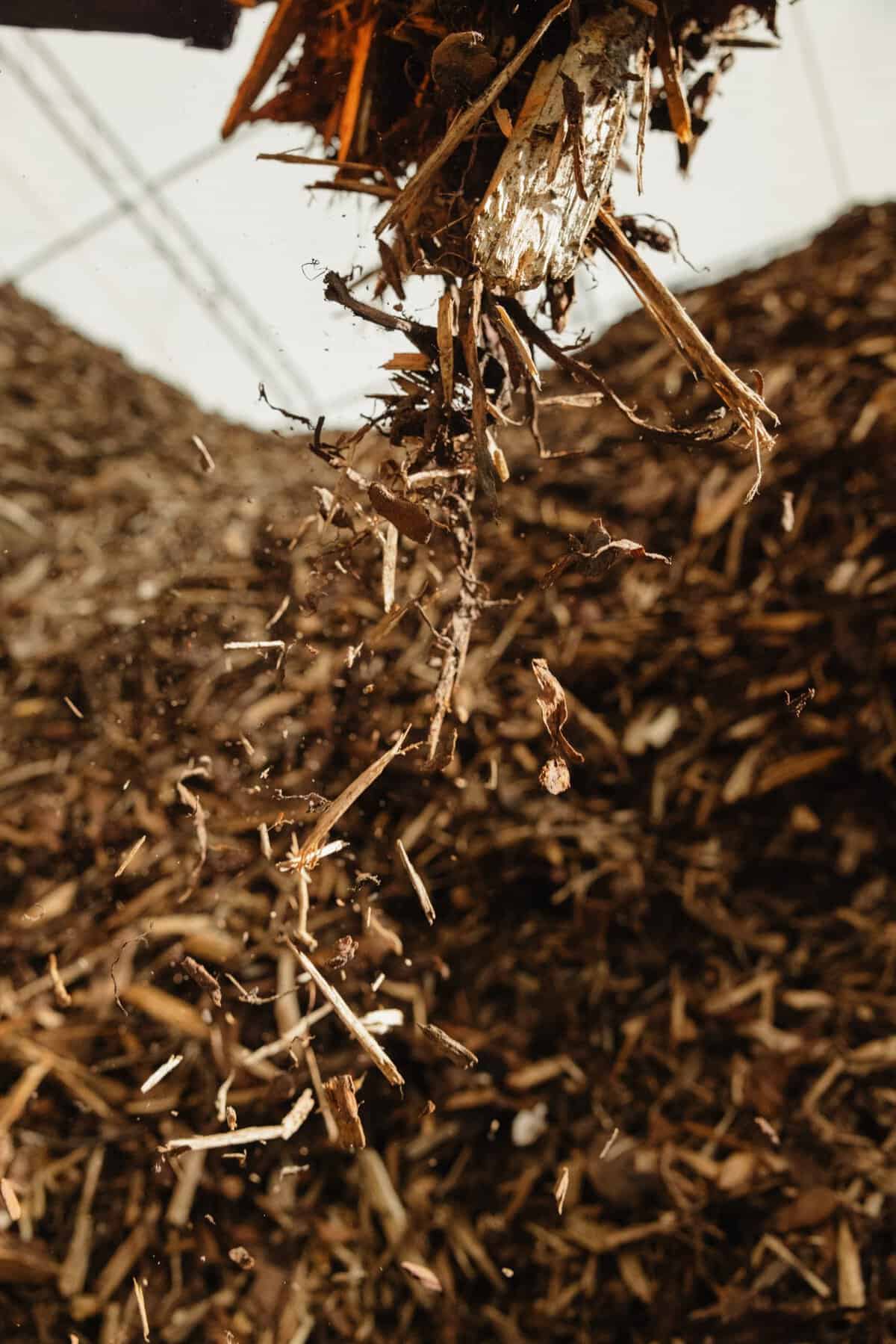
Scaling production of drop-in fuels using low-global warming potential (GWP) feedstocks including residual forest biomass could avoid an estimated 2 MtCO₂e per year by 2035, while creating new value streams for BC’s forest sector and strengthening regional economies.
Drop-in fuels offer a pragmatic pathway:
- Reducing emissions without waiting for complete system transformation
- Leveraging existing infrastructure
- Unlocking private investment through coordinated policy leadership
Scaling the DIF sector in BC will require coordinated infrastructure investment and smart siting to integrate the province’s carbon, hydrogen, and energy resources effectively. Lifecycle emissions outcomes can vary depending on feedstock logistics, hydrogen requirements, and the specific upgrading and production pathways used. The next phase of sector growth depends on regional planning that connects feedstock supply, energy inputs, and carbon management systems into a cohesive production network.
Key questions addressed by this report:
- Why do drop-in-fuels matter in BC?
- What are the most promising production pathways?
- How much drop-in fuel could BC sustainably produce?
- What are the main challenges to scaling drop-in fuels?
- What sectors are drop-in fuel ready?
- What technologies need investment to support drop-in fuel scaling?
- And so much more