




Canada’s commitment to decarbonizing transportation reached a new milestone in 2024, as renewable fuel content hit record levels nationwide. According to the tenth annual “Biofuels in Canada 2025” report from Advanced Biofuels Canada and Navius Research, policy leadership at both federal and provincial levels has driven real-world impacts on economic growth, consumer choice, and affordability. [www.advancedbiofuels.ca]
The report highlights that advances in biofuel uptake resulted in a greenhouse gas reduction of 13.3 million tonnes of CO₂ in 2024, more than double the impact recorded in 2020. British Columbia led the way, with biomass-based diesel content exceeding 31% by volume. For Canadians, these achievements mean cleaner air, lower carbon intensity fuels, and tangible cost savings.
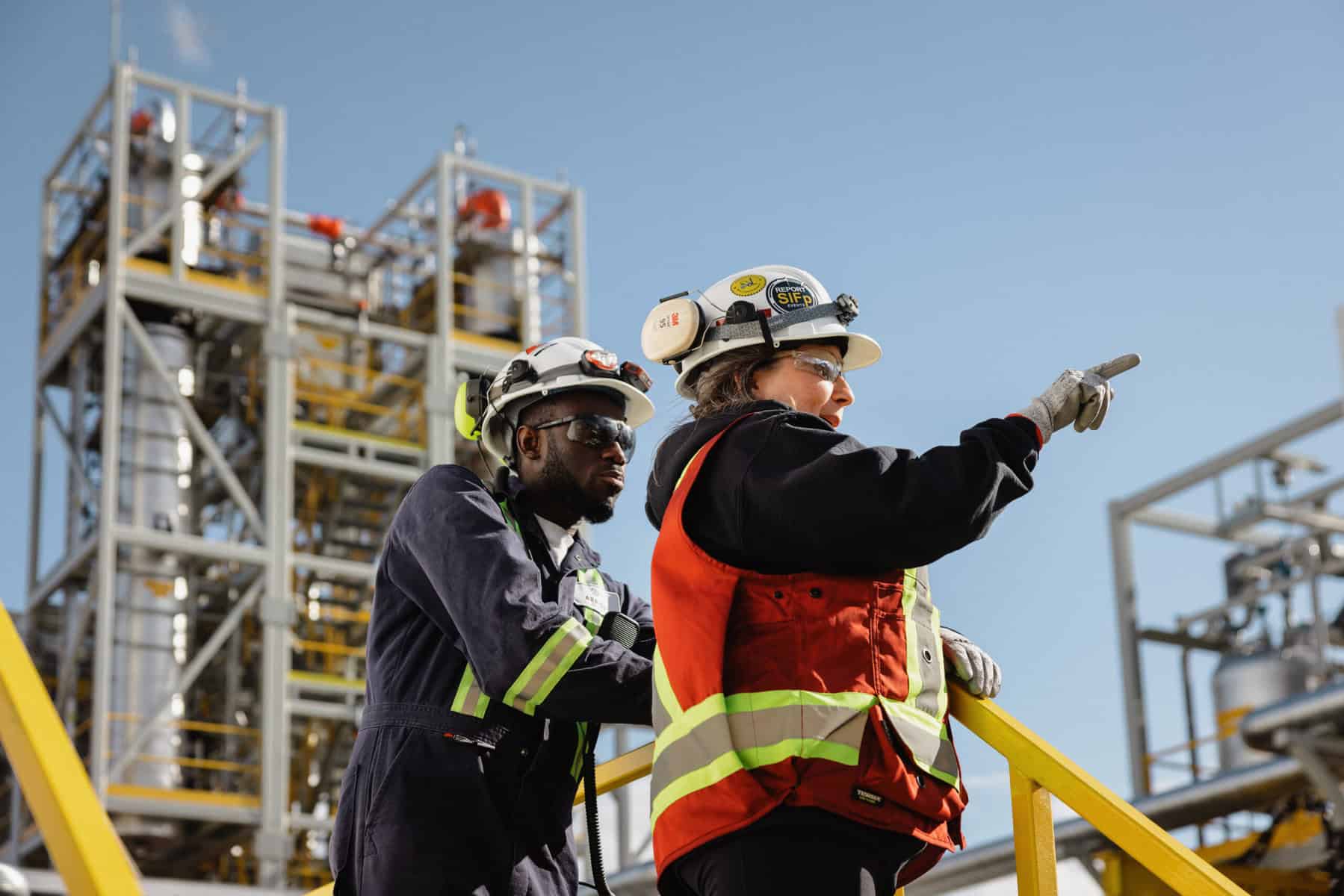
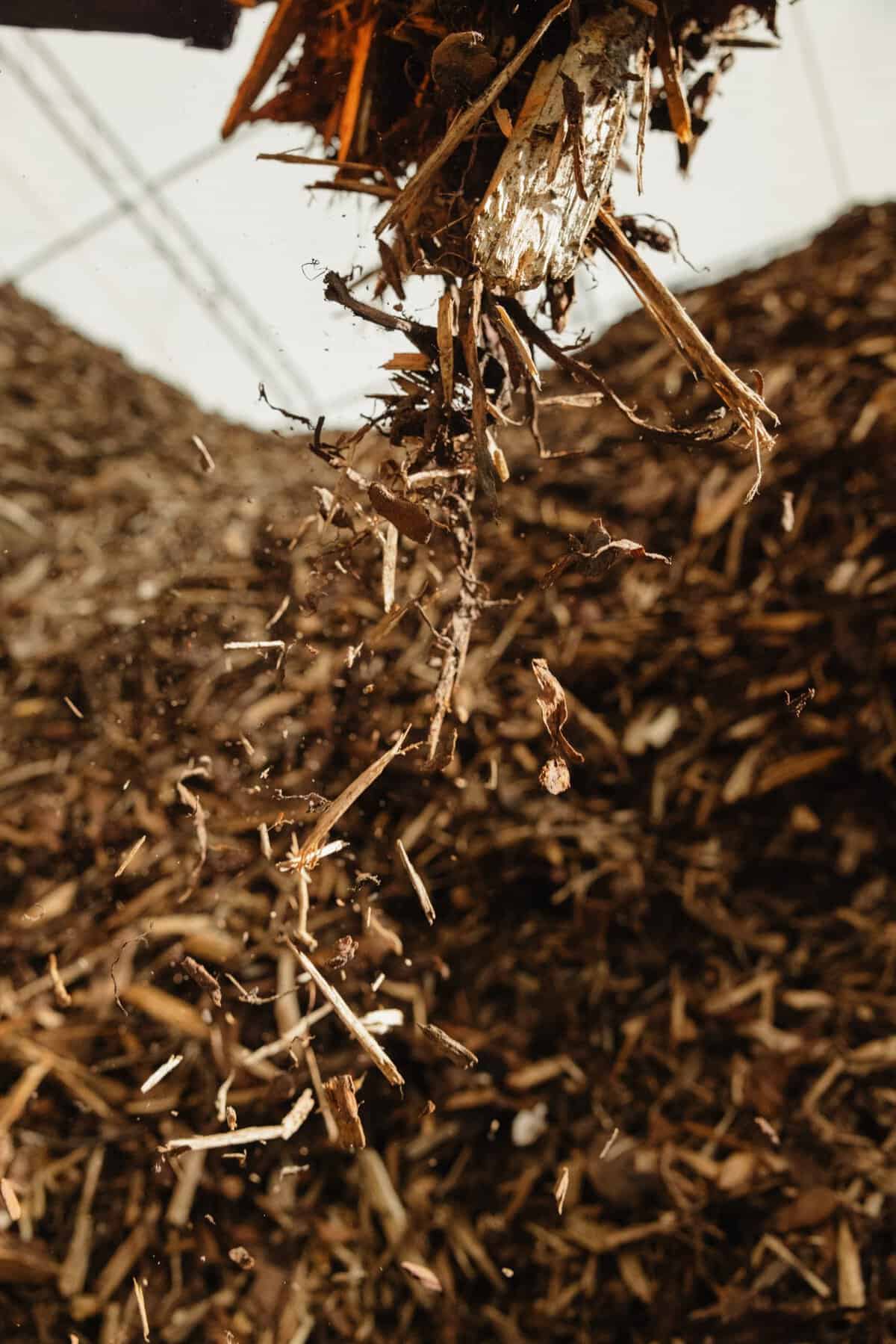
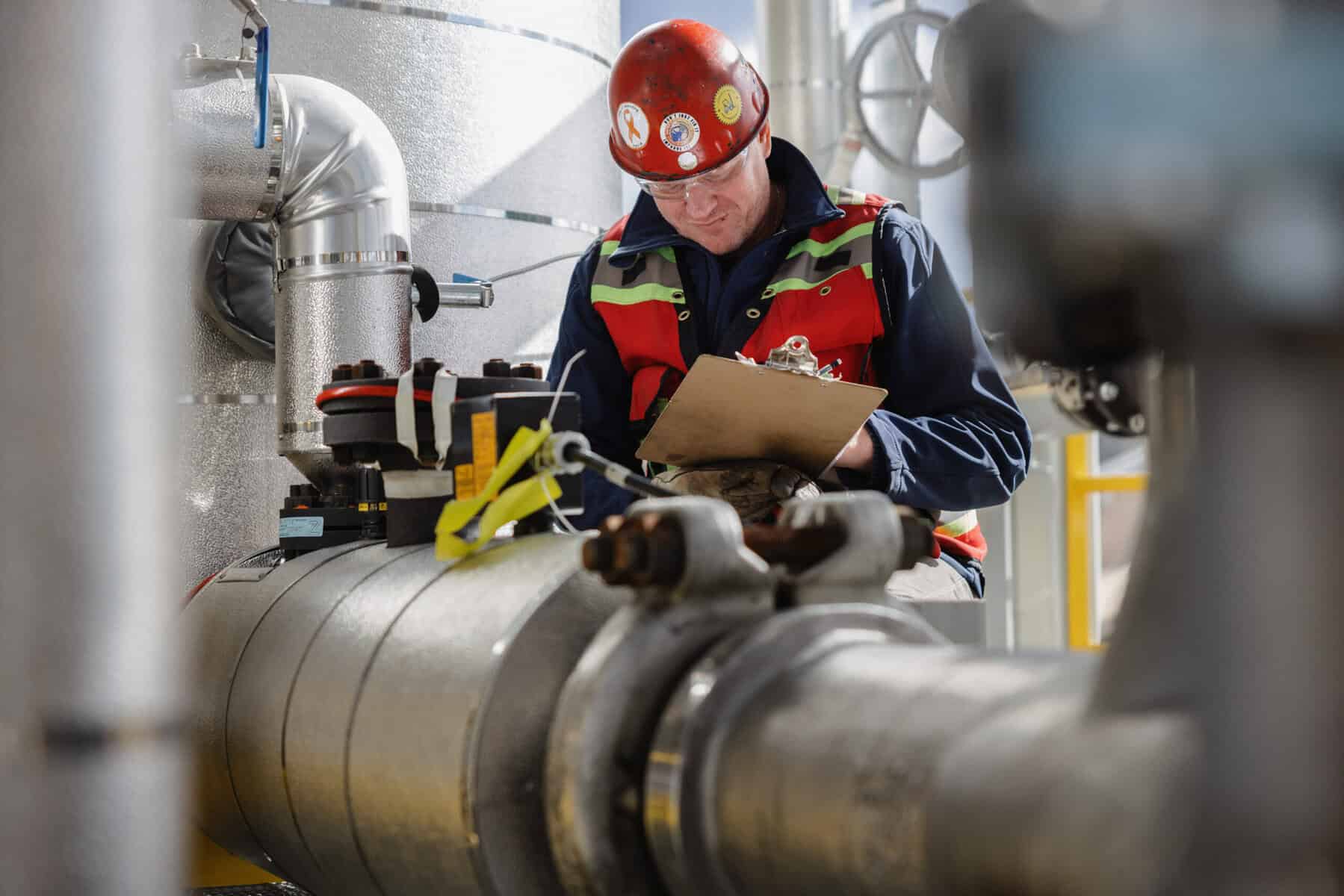
At Arbios, we’re proud to contribute to this progress through innovative technologies like hydrothermal liquefaction (HTL), which converts underutilized biomass into renewable bio-oil for use in existing refineries. Our Chuntoh Ghuna facility in Prince George, BC, is part of Canada’s expanding network of advanced biofuel production, supporting rural economies and Indigenous partnerships while helping the country meet its climate goals.
As Canada continues to lead in renewable fuel adoption, Arbios and Licella remain committed to delivering low-carbon solutions that benefit communities, the environment, and the economy.