






Transport Canada has released its Sustainable Aviation Fuels Blueprint for Canada, a study of what it would take to build a domestic SAF industry. A few of its findings sit close to the work we’re doing in Prince George.
- Canada’s aspirational goal is 10% SAF use by 2030 (roughly one billion litres a year) on the way to net-zero aviation emissions by 2050.
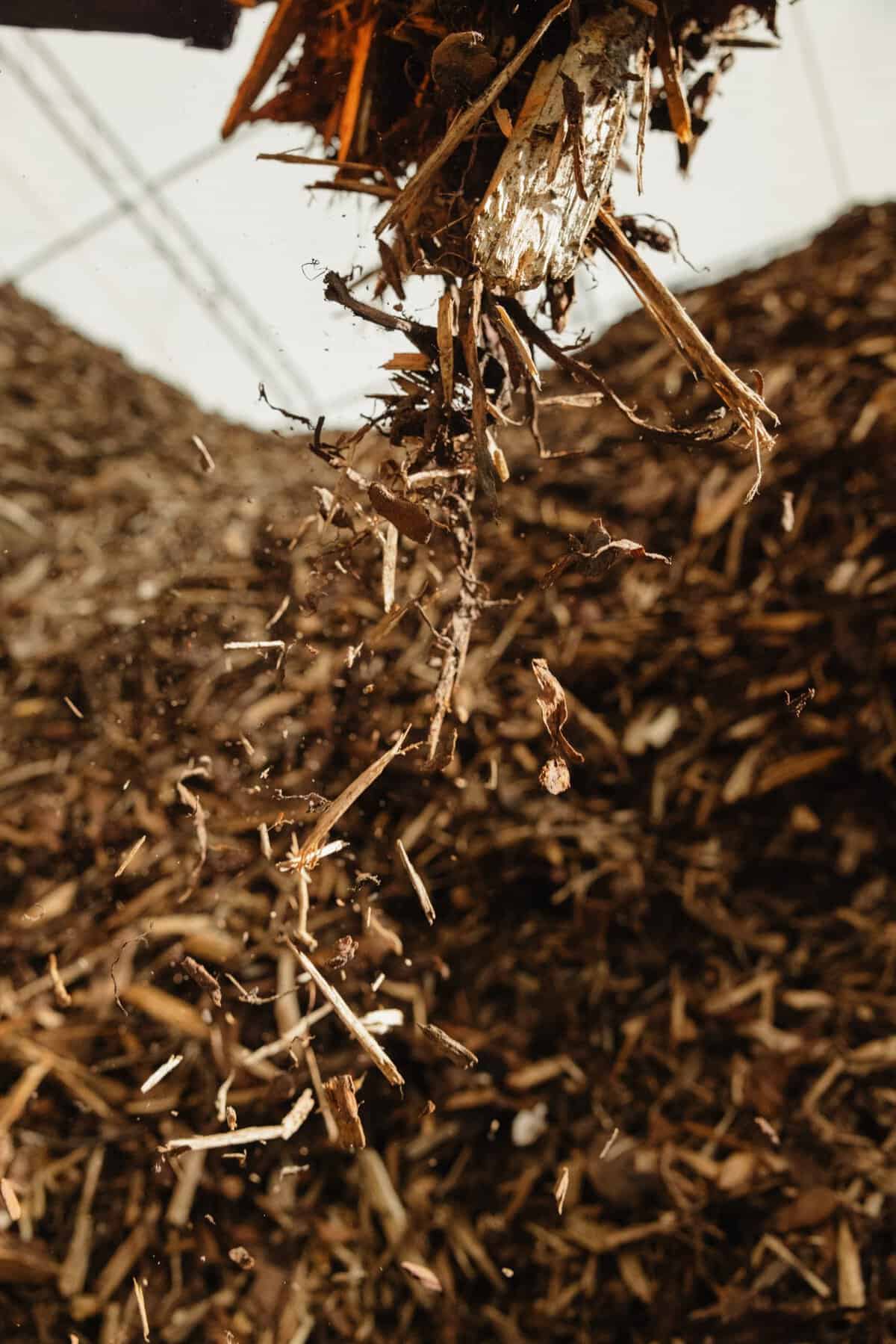
- The blueprint names forest and agricultural residues among the feedstock supply chains with the highest potential for Canada, and calls for regional strategies to unlock them. It also notes that European rules exclude SAF made from food and feed crops, a constraint residues don’t carry.
- Vancouver is among the high-traffic airports where the Blueprint recommends piloting regional SAF supply chains.
- Its summary of the opportunity: Canada “has the feedstock, refining expertise, innovation capacity, and domestic airlines to create a world-leading industry.”
Chuntoh Ghuna, our facility in Prince George, converts forest residues into renewable bio-oil that can be refined into low-carbon fuels in British Columbia, at commercial scale.
Read the Blueprint: Sustainable Aviation Fuels Blueprint for Canada, Transport Canada, 2026 (TP 15698E).